
How Physical Therapy Can Help You Get Active
Are you having trouble sleeping? Is getting up off the floor harder than it used to be? Do you want an all-natural approach to managing stress? There’s a simple solution that can help address all of these concerns and more: physical activity!
It’s no secret that regular exercise is good for you. Studies repeatedly show that it offers a wealth of benefits, and that’s especially true as you age. Exercise can…
- Reduce your risk of heart disease and other chronic conditions
- Help you stay mobile and independent
- Build muscle and bone mass
- Elevate your mood and improve cognitive function
Unfortunately, many people struggle to get more movement in. For younger people, finding the time may be an issue. For older people, joint pain and restricted mobility can make regular exercise feel out of reach.
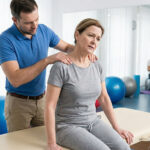
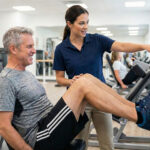
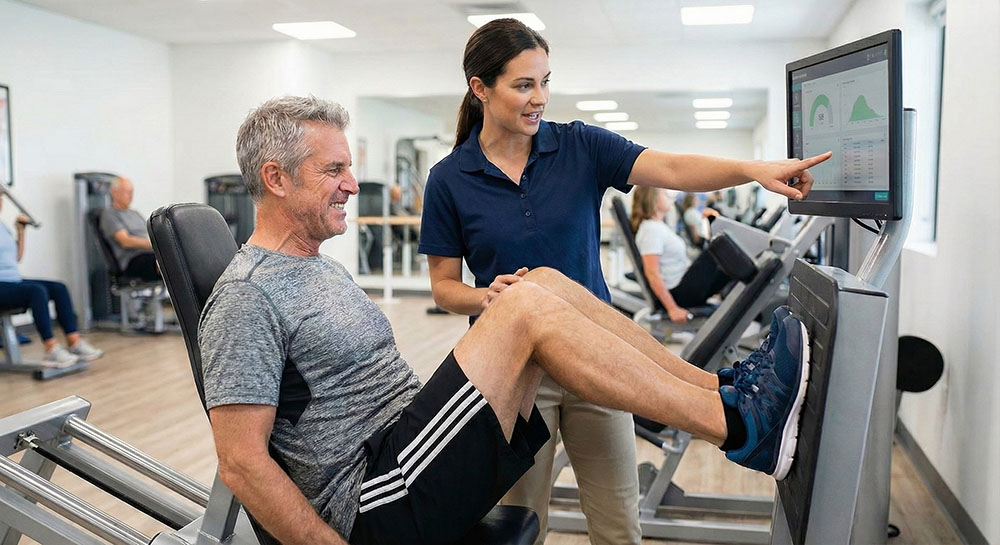
At Shoreline Physical Therapy, we’re passionate about helping people move more. We understand the many challenges that can make physical activity difficult, and we’ll work closely with you to find an exercise program that suits your needs, interests, and abilities.
Today, we want to share the stories of two patients with you (their names have been changed). Both patients started in similar places but wound up on very different journeys–showing just how important a little physical activity can be.
The Starting Point: Lower Back Pain
Donna and Linda were remarkably similar. Both women were in their mid-40s. Neither had been particularly athletic, although they tried to exercise when they could. And both of them stopped exercising altogether when they developed back pain.
Both women first visited us to see if we could help them manage their pain. Donna had strained her back muscles due to an injury she sustained while moving heavy furniture. Linda’s back pain stemmed from a herniated disc resulting from postural habits at her desk job.
We provided both women with two-month treatment plans designed to reduce their pain and improve the strength and function of their backs. Both women completed their respective programs. But that’s where their paths diverged.
The Next Step: Staying Active
Linda enjoyed working through the targeted exercise program we developed for her. Even though her job was very sedentary (she spent all day on a computer), she always felt tired and worn out at the end of the day. However, completing her home exercise program boosted her energy.
When she finished her treatment program, she asked if we had any tips for exercise programs that might help her stay active. She had a few requirements:
- She wanted the program to feel fun, not punishing.
- She wanted something she could do at home since she had limited time to drive to a gym.
- She wanted to track her improvement, just as she had in PT.
We were delighted to help! After talking to Linda about the exercises she enjoyed, we developed a walk/run program tailored to her current abilities. It also met all of her requirements.
As for Donna, we didn’t see her again for another five years when she came in with another injury.
Five Years On: What’s the Difference?
While Donna did keep up with her physical therapy, staying active beyond that was a struggle for her. She had a family and a stressful job with long hours, so she had limited free time to exercise. While she did attend the occasional exercise class, she didn’t do it frequently enough to meet the CDC’s recommendation of 150 minutes of exercise a week.
Unfortunately, Donna continued to struggle with joint pain. She visited us due to a hip injury, but she noted that she frequently experienced mysterious aches and pains throughout her body. Because of the pain, she often struggled to get enough sleep, which had an impact on her overall health and well-being.
We also saw Linda five years out from that initial session, after she sustained a mild running injury. The injury aside, Linda was doing great–she didn’t struggle with mysterious joint pain, her sleep was great, and she’d gotten excellent blood work results from the doctor.
Let Us Help You Get Active Today
Being physically active is one of the best ways to uncover improved health and wellness, and it’s often easier than you might expect. The key is finding activities you enjoy that you can work into your schedule–and that’s one place where we can provide some guidance.
Ready to get started? Call Shoreline Physical Therapy to schedule an initial consultation!
Sources: https://www.cdc.gov/physicalactivity/basics/adults/index.htm, https://www.ncbi.nlm.nih.gov/pmc/articles/PMC8397487/

Balance Indoor and Outdoor Activities
In January, the milder winter weather in southern states offers an excellent opportunity to balance indoor and outdoor physical activities. This month, focus on utilizing the pleasant climate to keep your body active and healthy.
Outdoors, consider walking, jogging, or cycling. These activities promote cardiovascular health and provide essential vitamin D from sunlight. Even gardening can be a good way to stay active, engaging different muscle groups.
Indoors is a great place to focus on strength and mobility exercises. Our Shoreline Physical Therapy team can help tailor a program to help address any pain or injuries and ensure you get off to a safe start for your health goals.
Now is a great time to connect with your therapist for a personalized plan!

Types of Therapeutic Exercises
Each therapeutic exercise is classified by its purpose.
Range of Motion
These exercises are aimed at increasing the range of motion in your joints and soft tissues. This may be done through active, passive or assisted stretching activities designed to help your joints move better, without pain.
Muscle Performance
Increasing power, endurance and muscle strength is vital to good balance and stability as well as bone and joint health. Resistance exercises and endurance exercises are designed to increase muscle strength without injury.
Posture
Hours spent at desks, bending over keyboards, poor muscle tone, or simple habit can all lead to terrible posture. What you may not realize is that posture has a direct impact on muscle strength, balance and a tendency toward injury. Posture exercises are aimed at correcting poor posture, not just when you exercise, but in your life in general which can alleviate aches and pains.
Balance & Coordination
Every time you stand or sit, bones and muscles work in conjunction with one another to help you remain upright. Every time you stand, walk, sit, brush your teeth, cook a meal, or take care of your daily activities, you are testing your coordination between the muscular and skeletal systems in your body. Your ability to care for yourself or your loved ones depends on your ability to balance and the coordination of your arms, legs, hands, and feet. That is why balance and coordination exercises are so important, especially after an injury or illness. If you cannot balance, if you lose coordination, you lose the ability to care for yourself.
How does therapeutic exercise relieve pain?
It may seem counterintuitive to exercise when you are in pain. After all, the last thing you want to do when you are uncomfortable is to make yourself more uncomfortable. Yet when you treat pain by avoiding movement and focus on medication and rest, you are only allowing the supporting muscles to weaken as well as creating stiffness in the joints and soft tissue. This will often cause greater pain and less functionality of the area. A physical therapist or athletic trainer is trained (through Mechanical Diagnosis and Therapy) to evaluate your body’s function, strength, and range of motion as well as your pain levels when you perform basic tasks. Through the application of specific repeated joint movements, pain and mobility can often be improved in a very short period of time, sometimes within one treatment session. Our clinicians can then create a customized treatment plan, including therapeutic exercise in the clinic and at home, that can strengthen weak areas, restore function to healing or surgically repaired joints, and reduce your overall pain levels. Not only can you experience a pain-free life, but you can also do so with greater strength and endurance than before. Still curious how physical therapy services and therapeutic exercise can help you? Let Shoreline Physical Therapy in Wilmington, NCconduct an evaluation and help you get on the road to recovery.
For more information, Contact us at our Wilmington, NC physical therapy clinic location.
Gym Etiquette for Newbies
Gyms can be intimidating places for a lot of reasons. For people new to working out at a gym, it can feel like a brand-new culture full of unspoken rules and rituals.
If this sounds familiar, don’t stress! The team at Shoreline Physical Therapy is here with some guidelines on gym etiquette–and tips for making your gym experience a positive one.
Our Top 3 Gym Etiquette Rules
- Put away your equipment. If you only remember one tip, remember this one! Whether it’s a barbell or a resistance band, put it back after you use it.
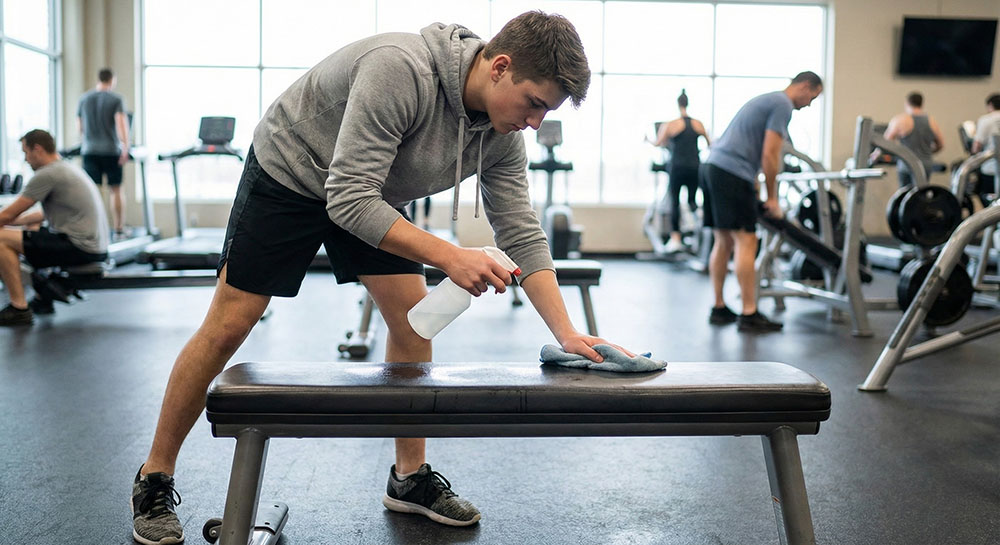
- Wipe down equipment. Similarly, keep a towel handy to wipe down any equipment after use, even if you don’t feel like you sweat that much.
- Share the space with others. A commercial gym is a shared space. During peak times, multiple people will want to use the same equipment (such as a squat rack). Do your exercises efficiently, then clear the area so others can do the same.
Our Top 3 Tips for Having a Good Experience
- Dress for success. Wear comfortable, appropriate clothes for your workout. You don’t want something too tight (which might be uncomfortable) or too loose (which might get caught in the machines).
- Prepare beforehand. You’ll get more out of your workout if you go in with a plan. Our PTs can work with you to develop an exercise program and ensure you know how to use the equipment correctly.
- Learn the power of headphones. If you feel intimidated in the gym, listening to music or podcasts on your headphones can help you feel like you’re in your own space, making it easier to focus on your workout.
At Shoreline Physical Therapy, we’re always available to help people feel comfortable in the gym. Call us today to schedule an appointment!

No Referral? No Problem!
Did you know? You have the right to choose your physical therapy clinic! Many doctors refer to in-house clinics, but that doesn’t mean they’re the best fit for you. Take control of your care and choose the experts who put you first!
Exercise of the Month
Hamstring Stretch (Hamstrings, Low Back)
Sit on the floor with legs extended straight in front of you. Loop an exercise band around the ball of your foot and gently pull back on the band while keeping your back straight. You should feel a stretch in the back of your thigh. Hold, then switch sides. 3 Sets, 30-Second Hold (each leg). (Materials needed: exercise band, floor mat)

“Can’t say enough about Shoreline and Doug Miller MSPT. He was patient, thorough and spot on in diagnosing my hip pain. He taught me stretches and gave me the right exercises to do on my own at home. I followed his advice and with some patience have been pain free for over 3 months. Great practice!” — N. L.

Naturally Relieve Your Aches & Pains Today With Our Free Ebooks!
Looking for ways to relieve your pain before seeing one of our physical therapists?

Creamy Tuscan Chicken
- 2 tablespoons olive oil
- 4 boneless, skinless chicken breasts (or thighs)
- Salt and pepper to taste
- 3 cloves garlic, minced
- 1 cup cherry tomatoes (halved)
- 2 cups baby spinach
- ½ cup sun-dried tomatoes (optional but flavorful)
- 1 cup heavy cream
- ½ cup chicken broth
- ½ cup grated Parmesan cheese
- 1 teaspoon Italian seasoning (or mix of basil, oregano, thyme)
- Sear the chicken: Heat olive oil in a large skillet over medium heat. Season chicken with salt and pepper, then cook for about 5–6 minutes per side until golden brown and cooked through. Remove and set aside.
- Make the sauce: In the same pan, add garlic and cook for 30 seconds. Add cherry tomatoes and sun-dried tomatoes. Cook until tomatoes start to soften.
- Add cream and broth: Pour in heavy cream and chicken broth. Stir in Parmesan and Italian seasoning. Simmer 3–4 minutes until thickened slightly.
- Combine: Add spinach and stir until wilted. Return chicken to the pan, spooning sauce over top. Simmer another 3 minutes to meld flavors.
- Serve: Serve hot over mashed potatoes, rice, or pasta.
Free Consultation
Not sure if physical therapy at Shoreline Physical Therapy is right for you? We offer a free consultation to see if we would be a good fit for you! Schedule your appointment today!