
The Surprising Link Between Neck and Lower Back Pain
If you’ve ever dealt with nagging neck pain, your lower back was probably the last thing you were thinking about–and vice versa. But if you’ve ever experienced both at once, you might have started wondering if they could be linked.
Well, your hunch was correct: Neck pain and lower back pain are often interconnected. The human body is a marvel of connectivity, where different parts support and affect each other. That’s why the physical therapists at Shoreline Physical Therapy take a whole-body approach to your care. We’ll figure out where the underlying issue is actually located and work with you to address it directly.
Understanding the connection between neck pain and lower back pain can help you feel better in the long run.
Exploring the Neck and Lower Back Connection
Imagine you’re holding a chain, trying to tug it forward. Unbeknownst to you, however, the opposite end of that chain has gotten caught on a hook. No matter how hard you pull, you won’t be able to move the other end of the chain.
Your spine is a lot like that chain. Each vertebra is a link that depends on the others to maintain strength and balance. So, when one part of your spine is out of line, it can impact other parts. Here’s an example using poor posture, one of the most common culprits behind both neck and lower back pain:
Slouching, Compensations, and Interconnected Pain
Your spine is surrounded by muscles that work to support and stabilize it. When you slouch, constantly look down at a mobile device, or sit for too long without taking breaks, you can strain these muscles. Your body then responds to this strain by compensating elsewhere along the chain.
For example, when muscles in the lower back are strained or weakened, the upper back and neck muscles have to do extra work to compensate. Similarly, tension in the neck can lead to adjustments in posture that strain the lower back.
So what does this mean? Let’s say you spend a lot of time at your desk, putting strain on your lower back. Your body then moves further up your back to compensate for the weakness there, placing stress on your neck. As a result, you’re now dealing with lower back pain and neck pain.
This cycle of compensation and strain highlights the importance of treating the body as a whole.
How Our Physical Therapists Can Help You Find Relief
The team at Shoreline Physical Therapy is highly trained to find the root causes of your discomfort. We start with a whole-body assessment to determine the specific areas of concern, then use targeted therapies to develop a customized treatment program.
With these treatments, our physical therapists aim to provide a comprehensive approach to managing and alleviating neck and lower back pain. Our ultimate goal is to empower our patients with the knowledge and skills they need for a healthier, more active lifestyle free from pain.
Treatment Techniques We Might Suggest
Postural Awareness
One of the first steps to breaking the cycle is understanding how your posture affects your body. Our PTs will teach you to recognize and correct poor postures, whether you’re sitting, standing, or moving, to reduce strain on your neck and lower back. We’ll work on:
- Body mechanics to understand how to make conscious postural adjustments in daily life.
- Personalized workplace ergonomics, including proper workstation setup and tips for maintaining your ideal posture.
- Forming long-term habits to prevent pain and strain from returning.
Manual Therapy
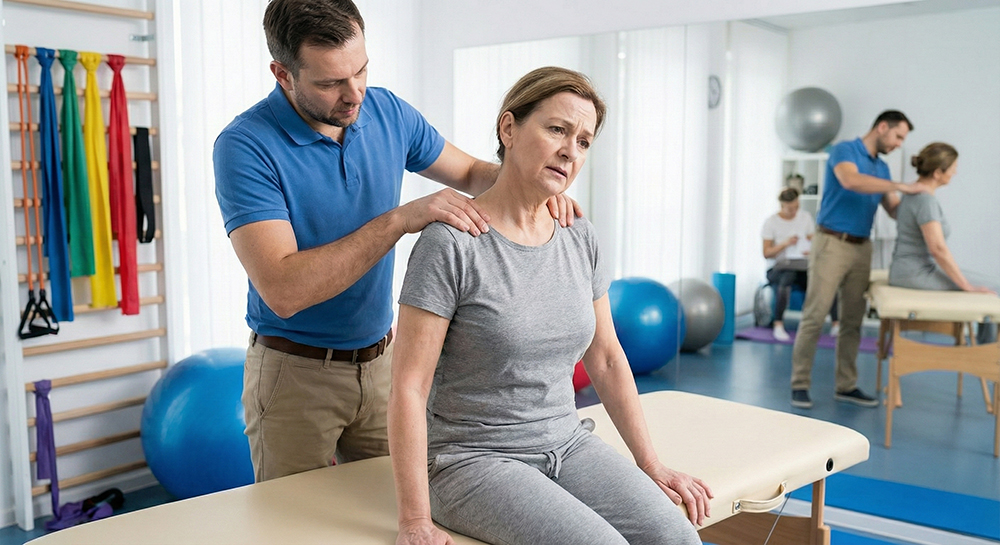
This hands-on approach helps to relax tense muscles, improve blood flow, and mobilize joints. By addressing specific areas of pain and stiffness, manual therapy can provide immediate relief and encourage the body’s natural healing process.
Targeted Exercises
Strengthening and stretching exercises tailored to your needs can alleviate pressure on the spine, improve strength and mobility, and help support your spinal alignment. These exercises help alleviate current pain and prevent future issues by building a stronger, more resilient body.
Book an Appointment at Shoreline Physical Therapy Today!
Don’t let poor posture and muscle strain create a domino effect. Let’s work together to strengthen your body’s chain and ensure each link is as strong and balanced as possible. Remember, a healthy posture and muscle strength are your best allies in the fight against pain.
Sources: https://www.choosept.com/guide/physical-therapy-guide-neck-pain https://www.physio-pedia.com/Manual_Therapy

Reignite Your New Year’s Resolutions
Did you set big goals last month? And have they already started to fizzle out?
The good news: You’re not alone. The better news: Shoreline Physical Therapy can help you reignite your New Year’s resolutions so you can achieve your health and wellness goals all year long.
- Is pain holding you back? Our physical therapists will dig down to the root cause and find a lasting solution.
- Did you burn out? Many people go a little too hard at the start of the new year. We’ll help you find a sustainable health or fitness program to stay with you for life.
- Are you overwhelmed by choice? One of our comprehensive assessments can give you a sense of any biomechanical issues or muscular imbalances in your body–helping to hone your focus.
No matter what goals you set on January 1st, our team wants to see you accomplish them. Schedule an appointment with us today to get started!
The Importance of Postural Awareness
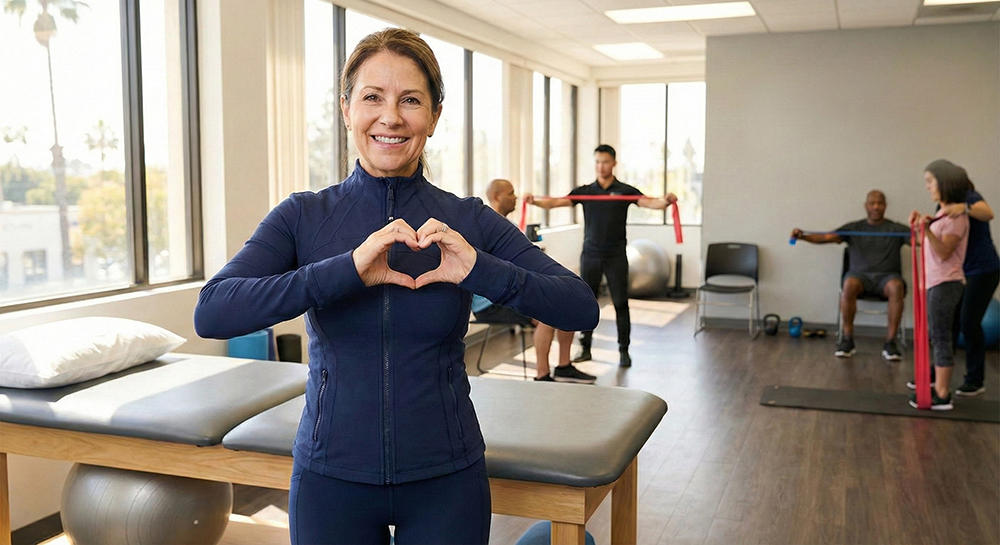
Postural awareness is one of your best tools against spinal pain. However, it’s not just “standing up straight.” Instead, it’s about being mindful of and actively maintaining proper body alignment while sitting, standing, or engaging in various activities throughout the day. It involves understanding how your body should ideally align to prevent strain, discomfort, and potential long-term health issues.
Tip from the Shoreline Physical Therapy Team for Maintaining Postural Awareness
- Pay attention to your body alignment throughout the day, especially when sitting or standing for prolonged periods.
- Use chairs, desks, and other ergonomic equipment designed to support proper posture. Adjust the height of your chair so that your feet are flat on the floor and your knees are at a 90-degree angle.
- Avoid sitting or standing in one position for too long. Take regular breaks to stretch, walk around, and relieve tension in your muscles.
- Incorporate core strengthening exercises into your fitness routine to build and maintain muscles that support the spine. We can suggest some exercises to get you started.
- When using electronic devices, position them at eye level to prevent slouching or straining your neck.
Incorporating these tips into your daily routine can enhance your postural awareness and maintain a healthier, more comfortable posture over time.
Looking for more personalized postural training? Schedule an appointment at Shoreline Physical Therapy!
Resolution Rescue: It’s Not Too Late!
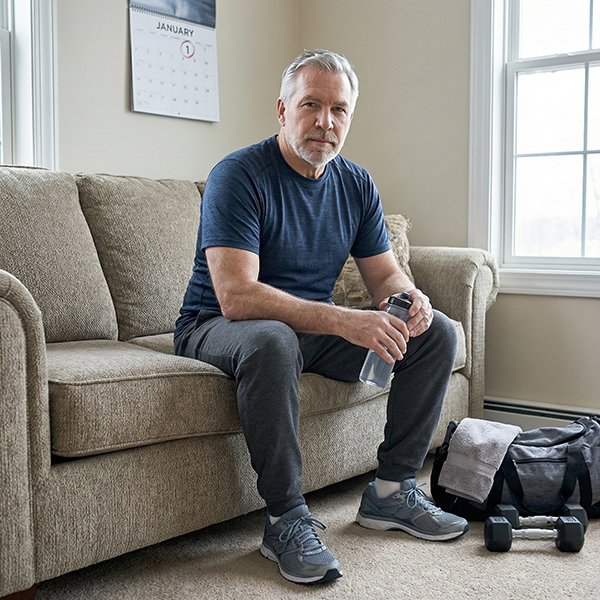
Struggling to keep your New Year’s resolution? Don’t give up—get back on track with our expert physical therapy team! Whether it’s improving mobility, reducing pain, or boosting fitness, we’re here to help you succeed.
Call Shoreline today at 910-604-6226 and reignite your 2025 goals!
No Referral? No Problem!
Did you know? You have the right to choose your physical therapy clinic! Many doctors refer to in-house clinics, but that doesn’t mean they’re the best fit for you. Take control of your care and choose the experts who put you first!
Exercise of the Month
Partner Hamstring Stretch
An excellent partner stretch for the legs is the Partner Hamstring Stretch. One person lies flat on their back and lifts one leg straight up toward the ceiling, keeping the knee straight. The partner stands or kneels by the lifted leg and gently pushes it further toward the person’s chest until they feel a deep stretch in the back of their thigh. It’s crucial for the partner to move slowly and listen for feedback to avoid overstretching, holding the position for about 15 to 30 seconds before switching legs.

“Can’t say enough about Shoreline and Doug Miller MSPT. He was patient, thorough and spot on in diagnosing my hip pain. He taught me stretches and gave me the right exercises to do on my own at home. I followed his advice and with some patience have been pain free for over 3 months. Great practice!” — N. L.

Naturally Relieve Your Aches & Pains Today With Our Free Ebooks!
Looking for ways to relieve your pain before seeing one of our physical therapists?

Avocado Toast with Egg
- 1 slice of whole-grain bread (toasted)
- 1/2 ripe avocado
- 1 egg (poached, fried, or hard-boiled)
- Salt, pepper, and red pepper flakes (optional) to taste
- A squeeze of lemon juice
Instructions:
- Toast the bread: Toast your slice of whole-grain bread until golden brown.
- Mash the avocado: While the bread is toasting, mash the avocado in a small bowl with a fork. Mix in a squeeze of lemon juice and a pinch of salt and pepper.
- Cook the egg: Cook your egg to your preference (poached or fried in a little olive oil works well).
- Assemble: Spread the mashed avocado onto the toast. Top with the cooked egg.
- Season: Sprinkle with a little more salt, pepper, and red pepper flakes if you like a kick. Enjoy!
Why it’s heart-healthy:
Egg: Provides high-quality protein.
Whole grains: Good source of fiber.
Avocado: Loaded with heart-healthy monounsaturated fats.
Free Consultation
Not sure if physical therapy at Shoreline Physical Therapy is right for you? We offer a free consultation to see if we would be a good fit for you! Schedule your appointment today!