



The Link Between Poor Posture and Pain
And How Postural Awareness Can Help You Find Relief
Posture isn’t just about looking your best. How you hold your body when you stand, sit, and move throughout the day can play a significant role in developing–or preventing–headaches, neck pain, and back pain.
The key to avoiding posture-related pain? Postural awareness. This concept involves recognizing and maintaining proper body alignment no matter what you’re doing throughout the day. By paying attention to your posture as you sit, stand, and move through your day-to-day life, you can identify and address potential posture-related problems before they escalate.
Take a moment to notice your posture, then keep reading to see how it could be affecting your body.
Four Ways Poor Posture Can Cause Pain
Migraines and Headaches
The way you hold your neck and shoulders can contribute to tension headaches and migraines. For example, slouching at your desk strains muscles and joints in the upper back and neck region, which can refer pain to the head.
Fortunately, improving posture through postural awareness, proper ergonomics, and targeted exercises can relieve this strain and reduce the frequency and intensity of headaches.
Neck Pain
Prolonged forward head posture or hunching over computers, tablets, or phones can cause neck pain and stiffness. Identifying and maintaining your ideal posture while sitting can help alleviate neck pain by reducing muscle tension and promoting proper joint position.
Upper Back Pain
Slouching or rounded shoulders can result in upper back pain. Strengthening the upper back muscles, correcting rounded shoulder posture, and incorporating regular movement breaks can significantly reduce upper back discomfort and improve overall posture.
Lower Back Pain
Sitting with poor posture, such as slumping or excessively arching the lower back, can lead to lower back pain. Working to restore or improve mobility, strengthening the core muscles, practicing proper sitting and standing posture, and using ergonomic supports like lumbar pillows or chairs can help alleviate lower back pain by providing support and reducing strain on the spine.
Your Health, Your Choice!Did you know? You have the right to choose your physical therapy clinic! Many doctors refer to in-house clinics, but that doesn’t mean they’re the best fit for you. Take control of your care and choose the experts who put you first!
📞 CALL 910-604-6226 NOW
— No referral required! —
|

|
Improving Your Posture with Physical Therapy
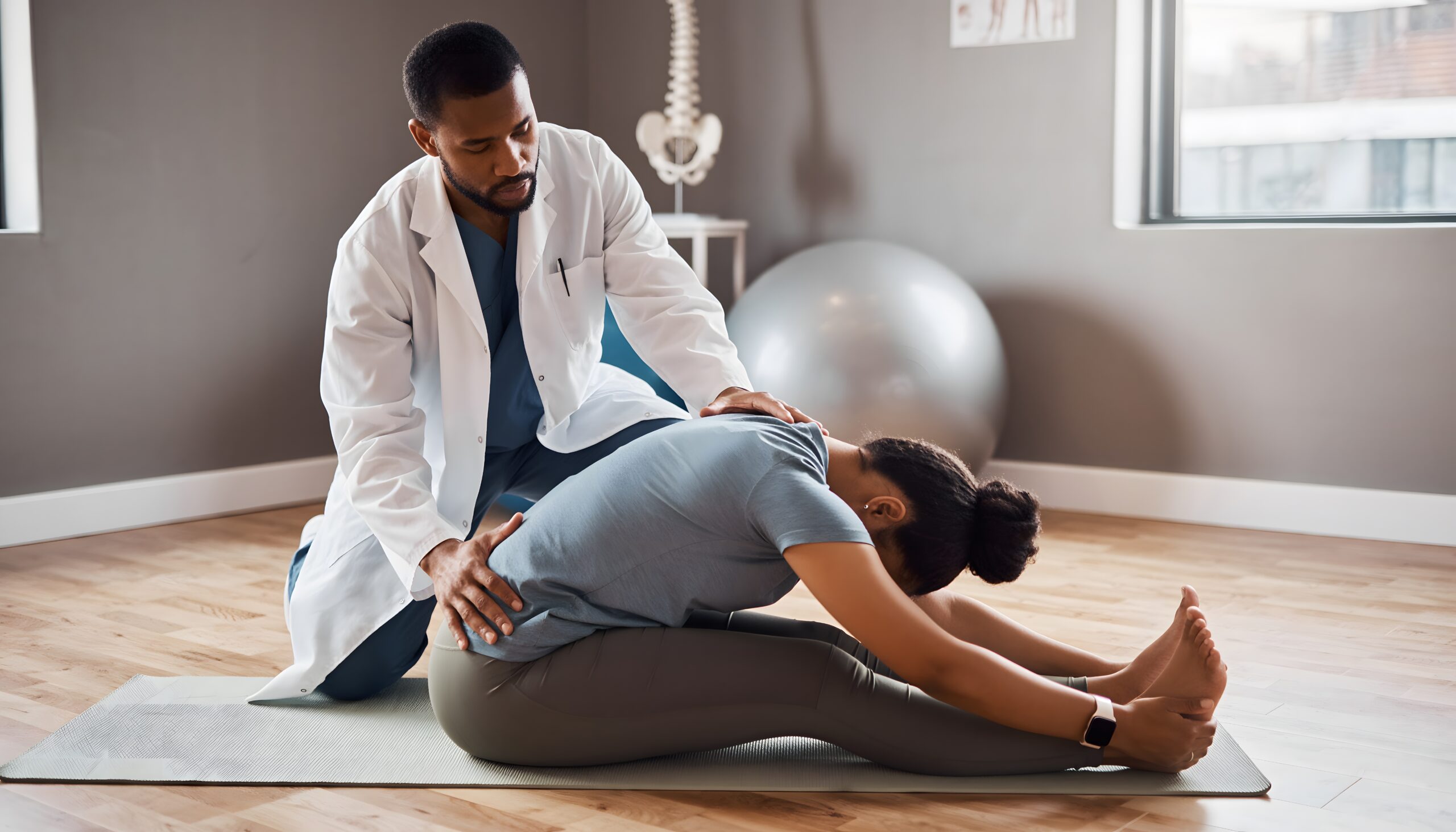
The good news? You don’t have to correct your posture on your own. The team at Shoreline Physical Therapy has the training and experience to help reduce pain and mobility restrictions, build strength in your back and neck, and help you enhance your overall posture. Here’s what you can expect:
Postural Assessment
We’ll conduct a comprehensive postural assessment by evaluating your standing, sitting, and walking posture to identify any misalignments, limitations in motion, or areas of tension. By understanding your unique postural patterns, we can tailor a treatment plan to address specific areas of concern.
Manual Therapy
We often use hands-on techniques such as soft tissue manipulation, joint mobilization, or myofascial release to address areas of muscle tightness or joint stiffness. These techniques can help improve range of motion, reduce pain, and enhance overall postural alignment.
Muscle Strengthening
This involves targeted exercises to strengthen muscles that support good posture, such as the neck, upper back, and core muscles. Building these muscle groups helps stabilize the spine and shoulders, reducing neck strain and alleviating pain.
Education and Awareness
Perhaps most importantly, our physical therapists will help you understand the connection between your posture and your pain. You’ll learn ergonomic principles for sitting and standing, techniques to maintain a neutral spine, and strategies to avoid common postural pitfalls.
Start Working on Your Posture Today!
Unfortunately, the demands of daily life can dramatically impact your back and neck. However, you can work to avoid many of these concerns by cultivating postural awareness, correcting posture problems with our physical therapists, and adopting healthy habits.
Our team will work to equip you with the knowledge and skills you need to maintain proper posture long-term, alleviate and prevent pain, and promote overall spinal health. Don’t let discomfort slow you down. Come visit our clinic today!
Sources: https://www.ncbi.nlm.nih.gov/pmc/articles/PMC10548303/, https://www.physio-pedia.com/Posture
No Referral? No Problem!
You don’t need a doctor’s referral to start physical therapy! Direct Access allows you to skip the wait and get the care you need right away.
Don’t let pain or mobility issues slow you down—take the first step today!

Exercise of the Month
Lower Trunk Rotations
(Lower Back, Core)
Start by lying face up on the floor with your knees bent. Allow your knees to slowly drop to one side. Your lower back should rotate, but your shoulders should stay flat on the ground. Hold for 30 seconds. Bring your knees back up and then drop them to the opposite side. 2 Sets, 2 Reps.

Ergonomics for Neck and Back Pain
A few simple strategies can make a big difference in preventing and alleviating neck and back pain. These strategies are part of a field of study known as ergonomics, which seeks to optimize the spaces in which humans live and work for both comfort and productivity.
Here are some PT-approved ergonomic tips for promoting good postural awareness and reducing strain on the muscles that support your spine:
Adjust Your Workspace
- Ensure that your desk, chair, and computer monitor are ergonomically aligned. Your computer screen should be at eye level to avoid straining your neck by looking up or down. Use an adjustable chair with good lumbar support to maintain a neutral spine position.
Use Proper Lifting Techniques
- Never lift a heavy item above your shoulders or twist your upper body. It’s also important to keep your feet shoulder-width apart with your head up and in line with your shoulders and back.
Take Frequent Breaks
- Incorporate regular breaks into your routine to stand up, stretch, and move around. Prolonged sitting can contribute to back pain, so aim to stand or walk for a few minutes every hour to relieve pressure on your spine.
Maintain Good Posture
- Whether sitting, standing, or moving, maintain proper posture by keeping your shoulders relaxed, spine aligned, and feet flat on the floor.
Looking for more ergonomic tips? Schedule an appointment at Shoreline Physical Therapy!
Sources: https://www.physio-pedia.com/Ergonomics, https://www.osha.com/blog/proper-lifting-techniques

Why Hitting the Beach Is More than Just Fun in the Sun
Planning a beach trip this summer? You’d be surprised how much exercise you can get during a beach vacation. In between building sand castles and napping in the sun, try these fun health-boosting beach activities:
- Walk on the sand: While walking is an excellent exercise in and of itself, doing so on a sandy beach has additional benefits. The sand provides resistance that can help build strength in the muscles of your lower body.
- Splash in the waves: Make sure to spend time in the water, even if you aren’t swimming. Water’s density means your muscles have to work harder to perform simple movements, making ocean time a great workout.
- Relax in the breeze: Spending time in nature can help you relax and destress, which can actually impact your physical health, too! Take a few moments to breathe deeply and enjoy the sights, sounds, and scents of your surroundings–particularly before it gets crowded!
Want to ensure you’re injury-free and ready to make the most of your time on the beach? Schedule an appointment with Shoreline Physical Therapy today!
Are You Reading This While Slouched Over?
It’s an easy habit to slide into, but that screen-slouch strains your spine, neck, and shoulders more than you think. Don’t wait for a stiff neck to become a chronic issue. Our comprehensive postural assessment pinpoints your exact structural imbalances so you can sit, stand, and move completely pain-free.

“I highly recommend Shoreline Physical Therapy. Following my knee replacement, I had an excellent experience with Jai, Doug, and Megan, who helped get me back to normal. They are very experienced, professional, and effective in the therapy they provide.” — R. M.

Naturally Relieve Your Aches & Pains Today With Our Free Ebooks!
Looking for ways to relieve your pain before seeing one of our physical therapists?
Blackberry Chicken Salad

INGREDIENTS:
- Juice of 1 lime
- 1 Tbsp. extra-virgin olive oil
- 1/2 tsp. dried oregano
- 1/4 tsp. chili powder
- Kosher salt
- Freshly ground black pepper
- 2 (6- to 8-oz.) boneless, skinless chicken breasts
- 1/4 cup extra-virgin olive oil
- 2 Tbsp. balsamic vinegar
- 1 Tbsp. blackberry jam
- 1 tsp. honey
- Kosher salt
- 1 Tbsp. extra-virgin olive oil
- 5 cups packed baby spinach
- 1 Persian cucumber, thinly sliced
- 1/4 red onion, thinly sliced
- 1 avocado, sliced
- 6 oz. blackberries
- 1/4 cup crumbled feta
- 1/4 cup walnuts, toasted
DIRECTIONS:
- In a small bowl, combine lime juice, oil, oregano, and chili powder; season with salt and pepper.
- Place chicken in a resealable bag and pour in marinade. Let chicken marinate at room temperature at least 30 minutes or refrigerate up to 2 hours.
- In a medium bowl, whisk oil, vinegar, jam, and honey; season with salt. Refrigerate until ready to use.
- Make Ahead: Dressing can be made 1 week ahead. Cover and keep refrigerated.
- In a medium skillet over medium heat, heat oil. Remove chicken from marinade; discard marinade. Cook chicken, turning occasionally, until golden brown and an instant-read thermometer inserted into thickest part registers 165°, 8 to 10 minutes per side. Transfer to a cutting board. Let rest 5 minutes before slicing.
- Divide spinach between bowls. Top with chicken, cucumber, onion, avocado, blackberries, feta, and walnuts. Add dressing and toss to combine.
Free Consultation
Not sure if physical therapy at Shoreline Physical Therapy is right for you? We offer a free consultation to see if we would be a good fit for you! Schedule your appointment today!