
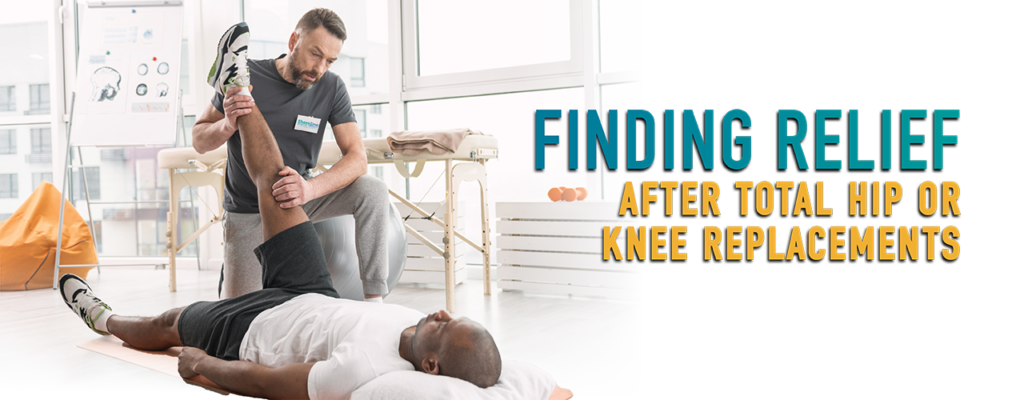
Hip and knee replacements are among the most common surgeries in the United States. Every year, surgeons perform around 800,000 knee replacements and 450,000 hip replacements — and that number is expected to grow as the population ages.
But the surgeries themselves don’t show the entire picture. While they can offer lasting relief for people suffering from osteoarthritis, they also require extensive rehabilitation to ensure success.
Most people can expect to spend six months to a year restoring the strength and mobility in their lower body. If you skip out on post-surgical physical therapy, especially immediately after your procedure, you might continue to struggle with joint pain and restrictions in your range of motion.
Fortunately, physical therapy at Shoreline Physical Therapy can help see you through your recovery and rehabilitation.

Madeline’s Story: Finding the Trail Again
When Madeline underwent a total hip replacement at the age of 65, she had one goal in mind: to hike again.
Madeline knew that, to achieve her goal, she would need to take her post-surgical physical therapy very seriously. She began physical therapy as soon as she was cleared by her surgeon, three days after her procedure. Her PT guided her through gentle mobility exercises and helped her move around the room with her walker.
We also helped Madeline manage her initial pain levels with joint mobilizations, soft tissue manipulation, and other manual therapy techniques. In addition to helping with pain, these techniques can reduce the development of scar tissue, which can cause long-term pain issues.
It wasn’t long before Madeline began more intensive physical therapy. At her first appointment, she let her therapist know her dream of taking up hiking again, and they worked together to help Madeline achieve her goal.
Here’s what Madeline’s post-surgical therapy involved:
Step 1: Improving her hip’s range of motion through targeted stretches and range-of-motion exercises
Step 2: Building strength in the muscles surrounding and supporting her hip, helping stabilize her new joint.
Step 3: Activity-focused training to help Madeline restore her balance and ability to walk, climb stairs, and perform other movements crucial in daily life. As Madeline improved, her therapist began focusing on exercises that emulated hiking (such as walking up an incline) so Madeline could hit the trails again.
Step 4: A hike with her new hip. After completing her physical therapy, Madeline’s PT cleared her for a gentle, three-mile hike — and Madeline celebrated every step!

Frank’s Story: Starting Early for Lasting Relief
Frank didn’t have a clearly defined physical goal when he underwent his total knee replacement at age 78. He’d never been particularly active, and his knee pain only made him more sedentary.
To help ensure Frank had the best possible outcomes, we actually started his physical therapy before he even went into surgery. Research shows that pre-surgical physical therapy (“prehab”) gives you a solid foundation for rehabilitation. So we set Frank up for success with a six-week prehab program that included the following:
• General fitness strategies to ensure he was in good health for his procedure
• Exercises to improve the strength and mobility of his knee joint
• Practice using a walker
Frank had initially been nervous about his surgery, but his prehab program helped build his confidence and gave him a taste of what to expect from his post-surgical rehabilitation. In fact, he was pleased to learn that his early exercises were very similar to those he had done during prehab!
Frank’s rehabilitation proceeded similarly to Madeline’s, even though he wasn’t working toward a specific goal. We worked with him to manage his pain and slowly began mobilizing his knee. As his range of motion improved, we began incorporating strengthening exercises and functional training activities so he could perform day-to-day tasks.
Physical therapy was a lot of work for Frank, but it paid off in the end: he no longer struggled with joint pain, and he was far more active and mobile than he’d been in years.

We Can Help You Find Relief, Too!
Are you scheduled for a total hip or knee replacement? Don’t underestimate the importance of physical therapy in your rehabilitation. Call Shoreline Physical Therapy today to learn more about how we can help!

“I can’t say enough about Shoreline Physical Therapy. I had both of my knees replaced and would have never recovered without the whole team of help I got. Their knowledge, support, guidance and a little fun and me doing the work helped me to a speedy and a strong recovery. I highly recommend you give Shoreline Physical Therapy a try for whatever issues you are having they will take care of you! Thanks again!” — R.C.

Meet Jai Isear!
Jerome A. “Jai” Isear, Jr.
MS, PT, LAT, ATC, Co-Owner
My career began as a certified athletic trainer with Healthsouth Rehabilitation Center in Richmond, Virginia. Teamed with a licensed physical therapist, I was responsible for the treatment and progression of orthopedic and sports medicine patients, development of lower extremity rehabilitation protocols and supervision of athletic training interns. My experiences exposed me to a wide spectrum of patients with varying levels of physical and emotional needs. While with Healthsouth, I took advantage of every continuing education opportunity, the most influential of which was learning a functional approach to rehabilitation which developed the rehabilitation foundation by which I still practice today.
Find out more about Jai by visiting our website and be sure to check
out his video.
Treatment Spotlight
Biomechanical Lower Extremity Assessments
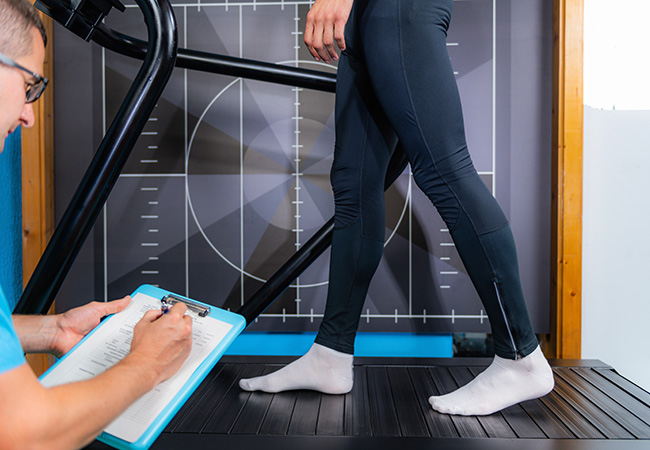
Biomechanical Lower Extremity Assessments are hour-long sessions with our physical therapist who has advanced education in biomechanical analysis and orthotic fabrication. A Biomechanical Lower Extremity Assessment is designed to analyze your body’s alignment and movement patterns under a variety of conditions including standing, squatting, lunging, walking, running, and hopping. We will correlate these findings with those of our physical therapy evaluation which assesses lower extremity alignment, foot structure, range of motion, flexibility, strength, and pain. The information obtained in the assessment allows the physical therapist to formulate a treatment strategy to correct any faulty movement patterns that are present, improve your efficiency of movement, and maximize your recovery and function. Additionally, we will provide footwear recommendations with a customized referral form to take to your shoe store of choice.
Biomechanical Lower Extremity Assessments are valuable for anyone suffering from pain, poor movement patterns, and difficulty with daily activities. If you have leg pain with walking, squatting, stair climbing among other activities this assessment can help. Competitive or recreational athletes benefit from a Biomechanical Lower Extremity Assessment to improve speed and power performance, decrease injury frequency and reduce pain with sports.
To schedule your Biomechanical Lower Extremity Assessments, contact Shoreline Physical Therapy today!
Exercise of the Month
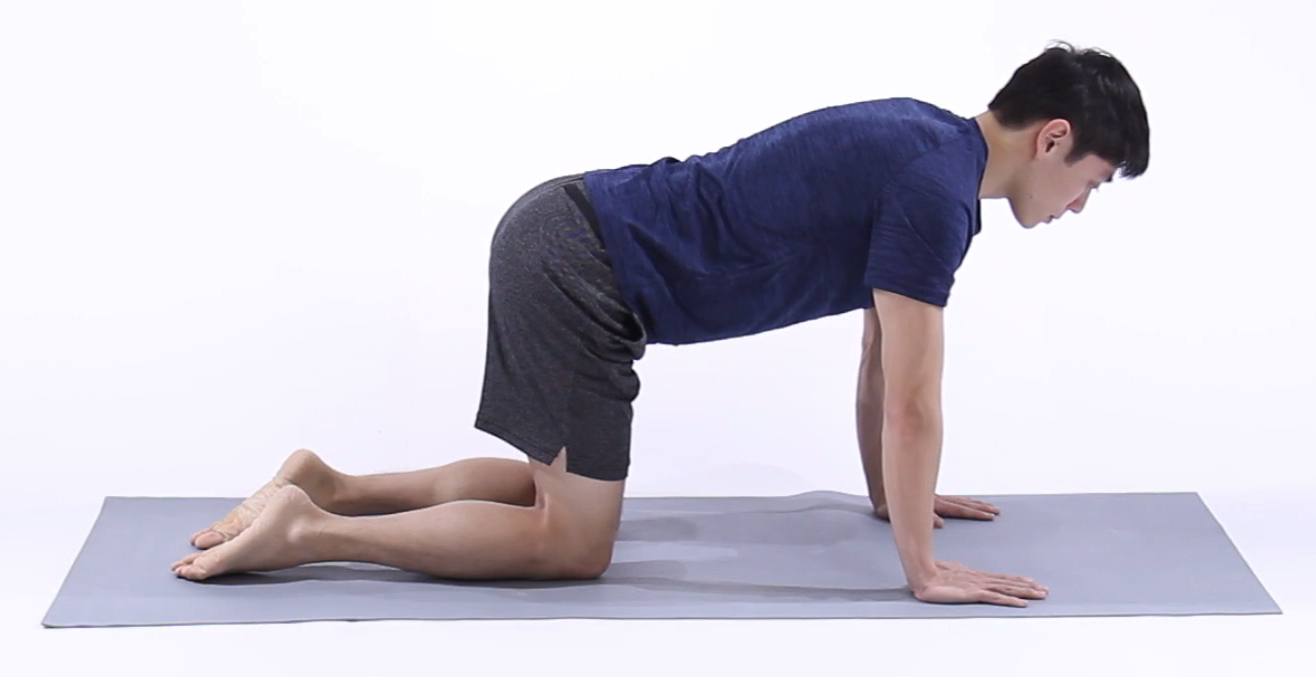
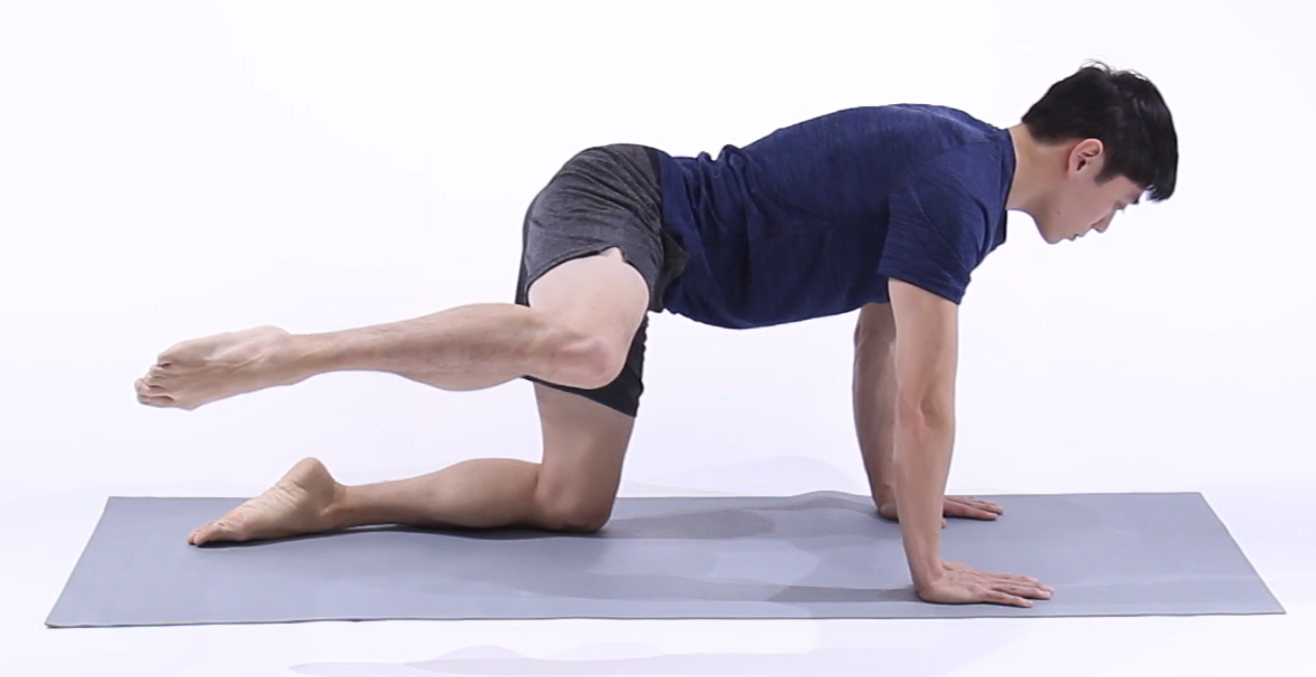
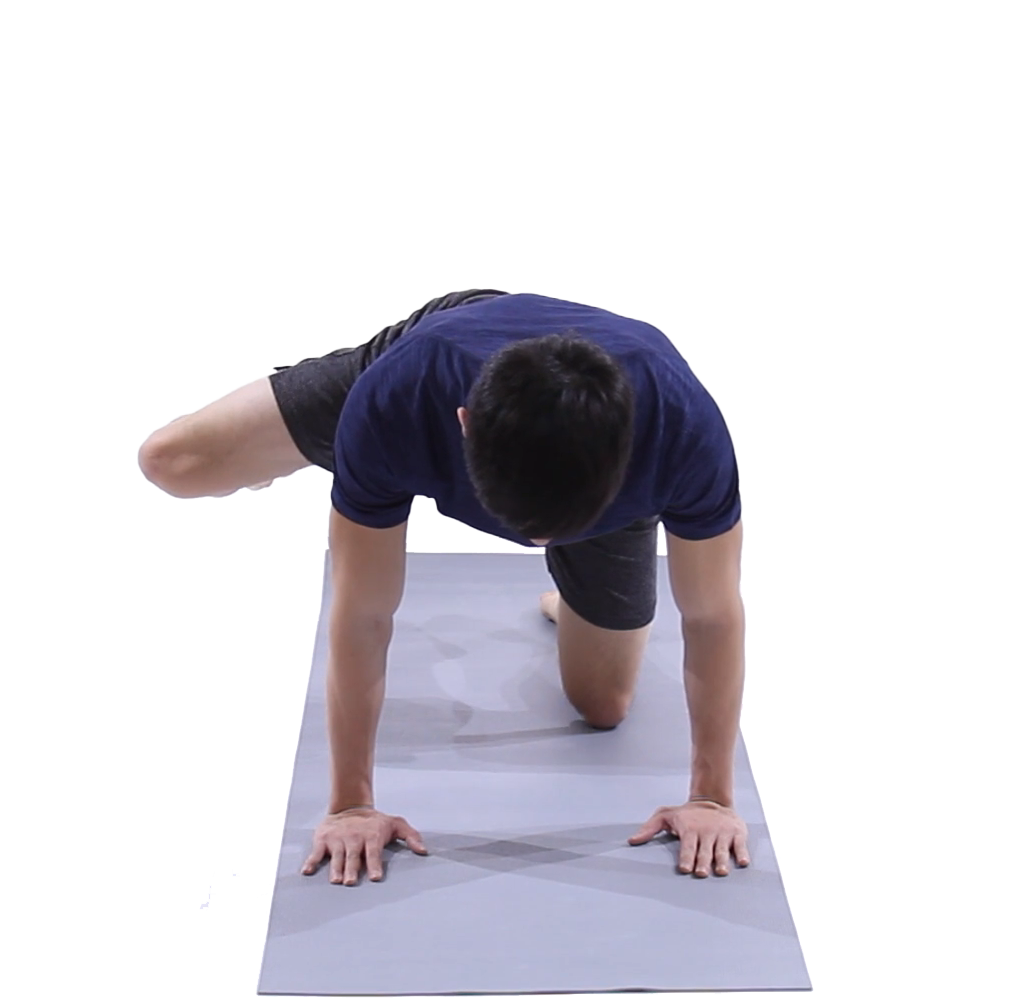
Hip Abduction (Quadruped)
Begin on all fours, with wrists directly under the shoulder and knees directly under the hips. Engage your abdominals and slowly lift one knee out to the side, keeping your knee in line with the hip. Hold as instructed, then bring your knee back down to the floor. Repeat 3 sets, 10 reps each.


Free Consultation
Not sure if physical therapy at Shoreline Physical Therapy is right for you?
We offer a free consultation to see if we would be a good fit for you!
Schedule your appointment today!

Naturally Relieve Your Aches & Pains Today With Our Free Ebooks!
Looking for ways to relieve your pain before seeing one of our physical therapists?