



Treating Shoulder, Neck, and Back
Pain With Physical Therapy
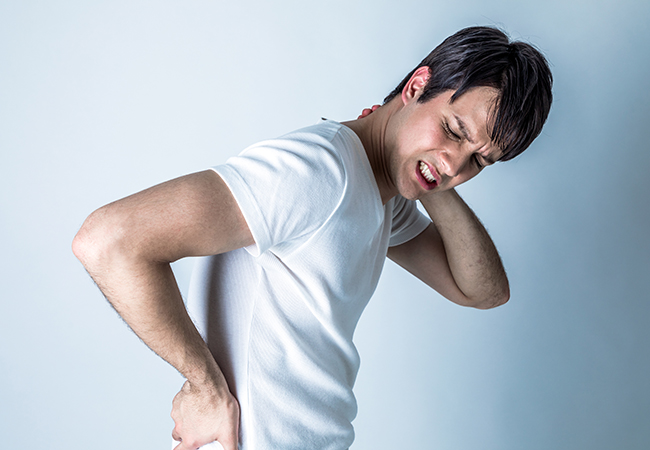
Shoulder, neck, and back pain are all relatively common complaints – and they can keep you from performing your daily routine. Fortunately, the team at Shoreline Physical Therapy has extensive experience treating all manner of musculoskeletal pain.
Furthermore, we understand how shoulder, neck, and upper back pain are sometimes connected, so we can help you get the right care for your needs.
Let’s dive a little deeper into some of the common causes of upper body pain and explore how physical therapy can help!
What’s Causing My Pain?
The first step in addressing neck, back, or shoulder pain is identifying the cause. However, it’s important to understand the distinctions between these three areas and how they’re connected. Let’s break things down.
Understanding The Spine’s Structure
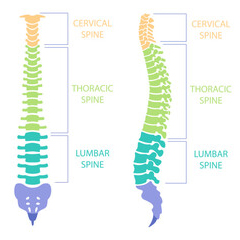
Your spine is divided into five segments. Today, we’re focused on three of them:
- The cervical spine, which is your neck
- The thoracic spine, which is your mid and upper back
- The lumbar spine, which is your lower back
Each segment consists of stacked vertebrae separated by intervertebral discs – soft cushions that sit between your vertebrae and act as shock absorbers. These vertebrae are connected by ligaments that hold your spine in position and allow you to bend, twist, and move. Finally, deep core muscles wrap and support your spine, helping to stabilize it.
We often hear about lumbar back pain because the lumbar spine carries most of the body’s weight, making it more susceptible to injury and degeneration. However, pain can develop in any part of the spine and the surrounding soft tissues.
So, where does the shoulder fit in? While it’s not part of your spine, your entire body is connected. So, for example, an injury in the intervertebral discs of your cervical spine can lead to pain in the shoulder and arm. Shoulder blade pain often stems from the neck and is not actually a shoulder issue. Postural issues can also impact your entire body, so weak upper back muscles might contribute to pain in your neck or shoulder.
That said, let’s examine some of the common causes of neck, back, and shoulder pain.
Neck and Back Pain Causes
- Sprains (tears in the spine’s ligaments)
- Strains (tears in the neck or back’s muscles or tendons)
- Degenerative changes to the cervical discs
- Herniated discs, in which a disc bulges or ruptures and presses on a nearby nerve
- Osteoarthritis
Shoulder Pain Causes
- Tears in the rotator cuff, a group of muscles that wrap and support the shoulder joint
- Inflammation in the shoulder’s tendons or bursa (small sacs that cushion the joint)
- Arthritis, including both osteoarthritis and rheumatoid arthritis
- Frozen shoulder, a condition that causes intense pain and restricted shoulder mobility
Often, injuries to the back, neck, or shoulder are repetitive use, meaning they gradually develop over time. You won’t be able to pinpoint a specific injury but will instead notice increasing levels of pain or immobility. These kinds of injuries develop for a couple of reasons:
- Repeated movements
- Poor posture
- Muscular weakness and imbalance
They also make you more susceptible to an acute injury, which occurs due to a sudden, traumatic event. Whiplash-related injuries are a good example of acute injuries to the cervical spine. Examples in the shoulder include dislocations and severe rotator cuff tears.
How Will The Team at Shoreline Physical Therapy Treat My Pain?
Physical therapy is an excellent resource for treating shoulder, neck, and back pain because it addresses the cause of the pain rather than simply attempting to hide the symptoms. Our team will assess your condition, take a complete health history, and determine why you’re dealing with pain. From there, we’ll create a personalized treatment program that pulls from several different techniques:
Postural and biomechanical corrections to ensure you aren’t putting undue strain on the affected area
Manual therapy, a hands-on approach to improving mobility and boosting blood circulation to the affected area
Modalities such as ultrasound, electrical stimulation, or heat to address pain and facilitate healing
Targeted mobility and strength exercises to address any underlying range of motion issues or weaknesses as well as specific directional movements that can be applied to the spine and shoulder to reduce pain when it appears
Contact Us Today To Get Started!
The Shoreline Physical Therapy team will help you understand the particulars of your upper body pain and provide the tools you need to address it. Call us today to set up an initial appointment.

“Professional and fun team with great equipment and view. An enjoyable experience and I am lifting weights and running again so it worked! Thank you.” — Erinn B.

All of us at Shoreline Physical Therapy hope you had a very merry Christmas!

Feel Better by Eating Better!
Anti-Inflammatory Ginger & Turmeric Carrot Soup
- 1 tablespoon olive oil
- 1 leek, cleaned and sliced
- 1 cup chopped fennel bulb (1 small head)
- 3 cups chopped carrots
- 1 cup chopped butternut squash (or more carrots)
- 2 garlic cloves, minced
- 1 tablespoon grated ginger (about a 2-inch piece)
- tablespoon turmeric powder
- Salt & pepper to taste
- 3 cups low-sodium vegetable broth
- 1 can lite coconut milk (14.5 ounces)
Heat the olive oil in a large dutch oven or saucepan. Add the fennel, leeks, carrots, and squash. Sauté for 3-5 minutes until the veggies start to soften. Add the garlic, ginger, turmeric, salt, and pepper, and sauté for a few more minutes. Add the broth and coconut milk. Bring the mixture to a boil, cover, and simmer for 20 minutes. Once the soup is cooked, add it to a blender and blend until creamy. You could also use an immersion blender. Taste and adjust the seasonings to your taste. Serve immediately with a dollop of coconut yogurt and enjoy!
Make This Year Your Healthiest One Yet!

Did you make a health-related New Year’s resolution this year? Whether going to the gym twice a week or eating more fruits and vegetables, these resolutions always start with the best intentions – but often fizzle out by Valentine’s Day.
This year, why not have the Shoreline Physical Therapy physical therapists help you reach your health goals? Schedule an appointment today so we can help you get healthy in the new year. We’ll…
• Conduct a comprehensive physical assessment to pinpoint areas of weakness and/or impairment.
• Help you set realistic and attainable health goals.
• Show you how to make the most of that new gym membership.
• Provide tips for healthy, delicious meals.
• Suggest strategies for integrating more movement into your day-to-day life.
Call today to kickstart your journey toward good health and wellness!
Exercise of the Month
Cervical Retraction and Extension With Towel
Start by standing up straight. Wrap a towel around the back of your head and hold the ends with both hands in front of you. Tuck your chin, pushing your head back into the towel and then raise your chin up towards the ceiling against the towel. Return to start. Repeat 3 sets, 10 reps each.


Free Consultation
Not sure if physical therapy at Shoreline Physical Therapy is right for you?
We offer a free consultation to see if we would be a good fit for you!
Schedule your appointment today!

Naturally Relieve Your Aches & Pains Today With Our Free Ebooks!
Looking for ways to relieve your pain before seeing one of our physical therapists?