

The Most Common Causes of Elbow Injuries in Sports
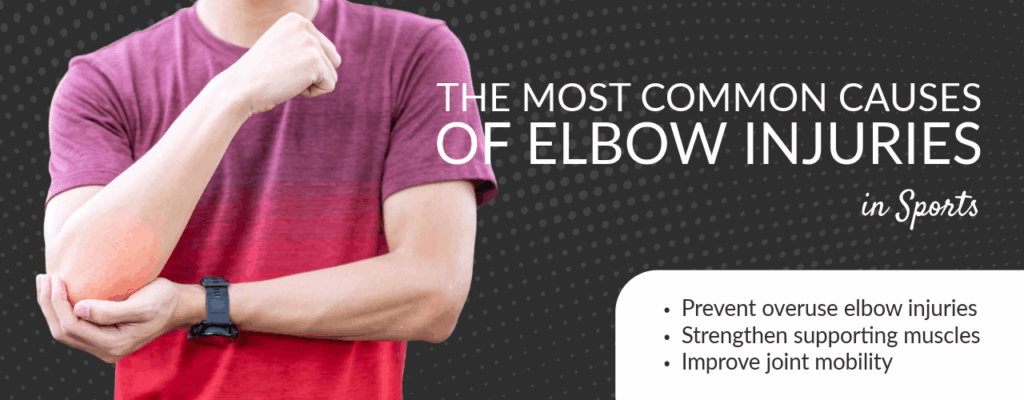
From tennis and baseball to CrossFit and gymnastics, elbow pain is a common complaint among athletes. While some injuries happen suddenly, most elbow injuries build gradually over time. These issues often go unaddressed until pain starts to interfere with performance or daily activity.
Understanding what causes elbow injuries is the first step toward managing symptoms and preventing long-term problems. At [site-name], we help athletes identify the root of their pain, treat the issue effectively, and return to movement with confidence.
Repetitive Motions Add Up Over Time
One of the most common causes of elbow injuries is overuse. Sports like tennis, baseball, weightlifting, and golf place repeated stress on the forearm muscles and tendons. This can lead to inflammation where those tendons connect to the elbow joint.
Lateral elbow pain, often called “tennis elbow,” affects the outer portion of the joint. Medial elbow pain, or “golfer’s elbow,” causes discomfort on the inside. Both conditions stem from small, repetitive actions that place too much load on the tissues without adequate recovery.
Poor Mechanics Can Lead to Breakdown
Technique matters. Athletes who perform high-repetition skills without proper form often shift force into the elbow in unnatural ways. This is especially true in throwing sports or barbell training, where mechanics break down due to fatigue, tight muscles, or weakness elsewhere in the body.
When movement patterns are off, the elbow picks up the slack. Over time, this leads to irritation in the joint or tendons. A small technical issue can become a larger injury if not corrected early.
Impact and Trauma Still Matter
While overuse is a major contributor to elbow injuries, direct trauma should not be overlooked. A hard fall, contact with another athlete, or a misjudged landing can sprain or dislocate the elbow. Fractures, though less common, may also occur in high-impact sports like football, hockey, or skateboarding.
These injuries require different timelines and treatment strategies than overuse conditions. Early evaluation ensures the joint heals properly and avoids complications such as stiffness or nerve irritation.
Growth Plates Are at Risk in Young Athletes
Adolescents are not immune to elbow pain. In fact, they are more susceptible in some ways due to their developing skeleton. Growth plates near the elbow can become irritated by repeated stress, especially in pitchers, gymnasts, and youth lifters.
Conditions like Little League Elbow involve inflammation or stress to the growth plate on the inner side of the elbow. Without early care, this can lead to long-term changes in bone development and arm mechanics.
Weak Shoulders and Wrists Can Shift the Load
The elbow does not function in isolation. Weakness or tightness in the shoulders, wrists, or core can change how force moves through the arm during athletic activity. When these surrounding areas fail to provide stability or mobility, the elbow often becomes the weak link.
This is why strengthening the entire arm, not just the elbow, is essential. At [site-name], we assess how the entire kinetic chain contributes to an athlete’s symptoms and tailor treatment plans that build support from the ground up.
Why [site-name] Looks Beyond the Injury
Our approach to elbow injuries includes a comprehensive evaluation that identifies both the source of pain and the contributing movement patterns. Whether an athlete is dealing with overuse or acute trauma, we develop a personalized plan that addresses pain, restores mobility, and improves long-term performance.
This often includes hands-on therapy to reduce irritation, guided exercise to rebuild strength and control, and movement retraining to prevent recurrence. We work closely with each athlete to help them return to sport safely and efficiently.
Elbow Pain Is a Signal Worth Investigating
Athletes often ignore minor discomfort until it becomes a major setback. If elbow pain limits your grip, your swing, or your ability to train, it’s time to take action.
The team at [site-name] provides skilled care tailored to your sport, your goals, and your recovery timeline. Early treatment makes a difference, and schedule an appointment now so we can help you move better with less pain!